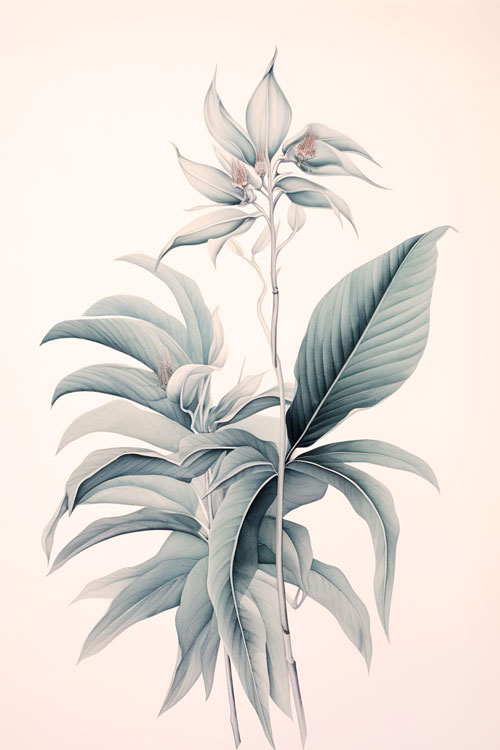
Danqing
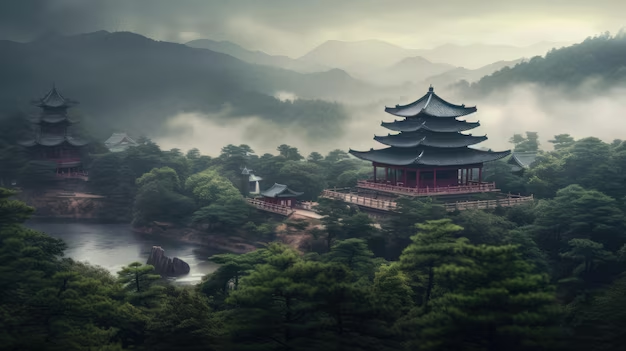
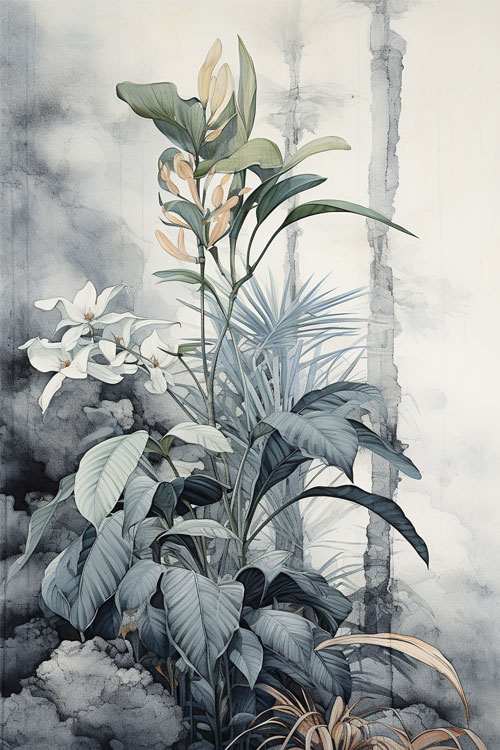
In Chinese painting, danqing (Chinese: 丹青; pinyin: dān qīng) refers to paintings on silk and Xuan paper. Danqing is painted with an ink brush, color ink, or Chinese pigments using natural plant, mineral, and both metal pigments and pigment blends. Danqing literally means "red and blue-green" in Chinese, or more academically, "vermillion and cyan"; they are two of the most used colors in ancient Chinese painting.
Danqing is typically colorful and vibrant, and uses different colors to depict vivid landscapes, scenery, figures, portraits, plants, and animals. Some of the fundamental colors[clarification needed] used in danqing are white, yellow, red, blue-green, and black.
Famous danqing masters
-
Gu Kaizhi
He wrote: "In figure paintings the clothes and the appearances were not very important. The eyes were the spirit and the decisive factor."
-
Li Tang
He perfected the technique of "axe-cut" brush-strokes and his style of painting became for what is regarded as the academy-style landscape of the Southern Song.
-
Qian Xuan
He is known for landscapes that hinted at a longing for a return of native Chinese rule, such as in the work Home Again.
-
Qiu Ying
Qiu Ying painted in the blue-and-green style and incorporated different techniques into his paintings.
-
Wang Ximeng
In 1113, at the age of 18, he created his only surviving work, a long blue-green scroll called A Thousand Li of Rivers and Mountains.
-
Wu Daozi
The British art historian Michael Sullivan considers him one of "the masters of the seventh century."
Landscape Painting